
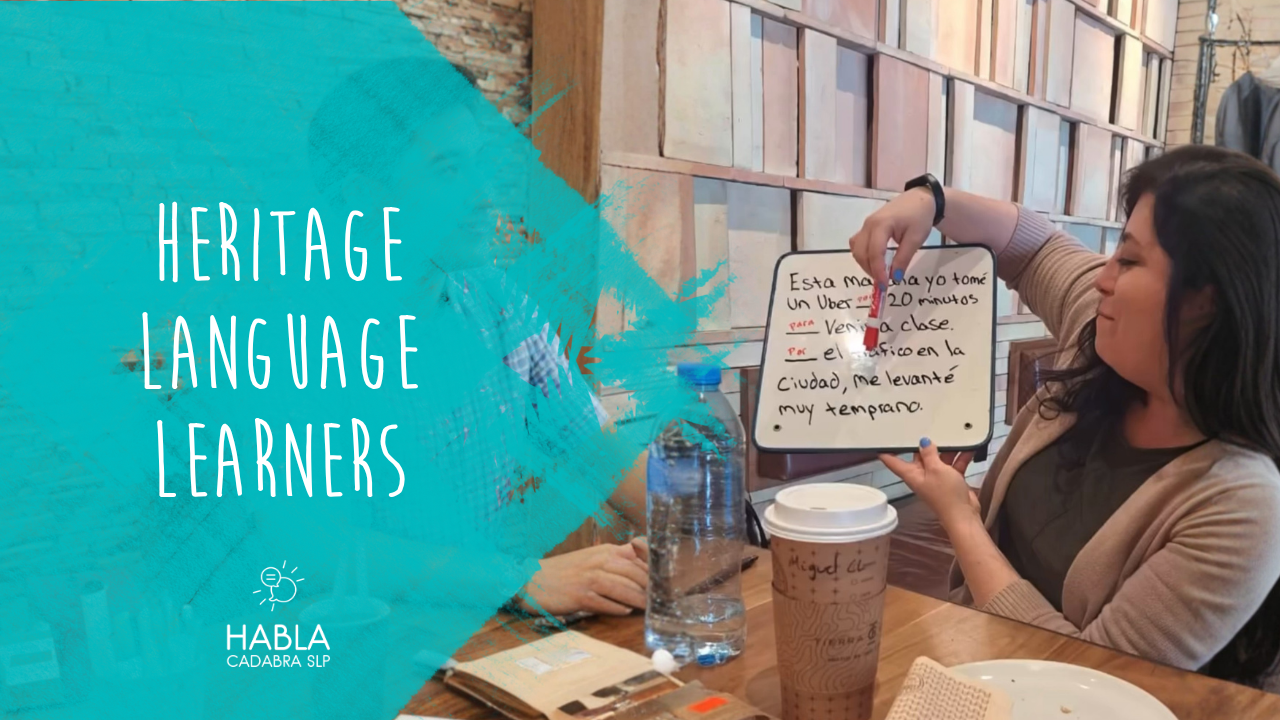
Heritage Language Learner vs. Second Language Learner: What Bilingual SLPs Should Know
Not all bilingual SLPs arrive at Spanish in the same way. Some grow up hearing Spanish at home, while others learn it later through school, travel, community, or clinical practice. What’s the difference between a heritage language learner and a second language learner? We explore these terms and what research tells us about the different experiences of learning Spanish.
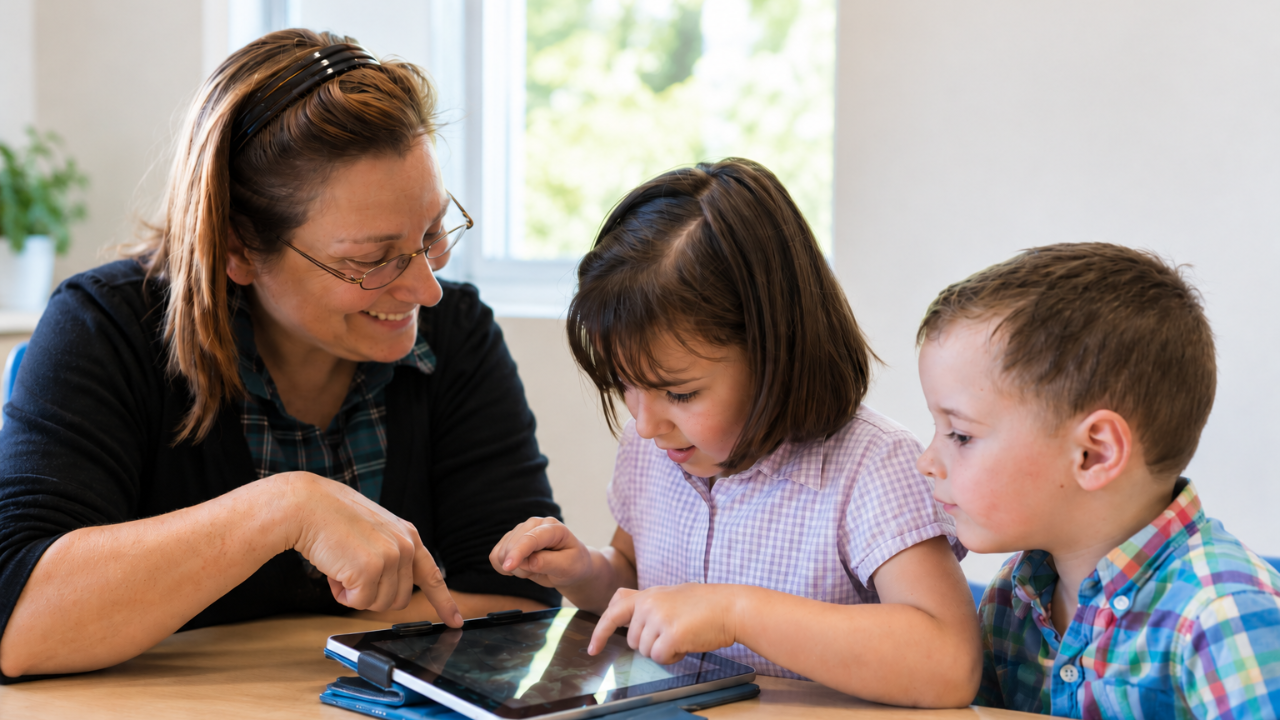
How Can Monolingual SLPs Incorporate Bilingual Supports Into Vocabulary Intervention?
How can monolingual SLPs incorporate bilingual supports when they don’t speak the child’s home language? A 2026 study explored how computer-assisted instruction can help clinicians provide vocabulary support across English and Spanish.
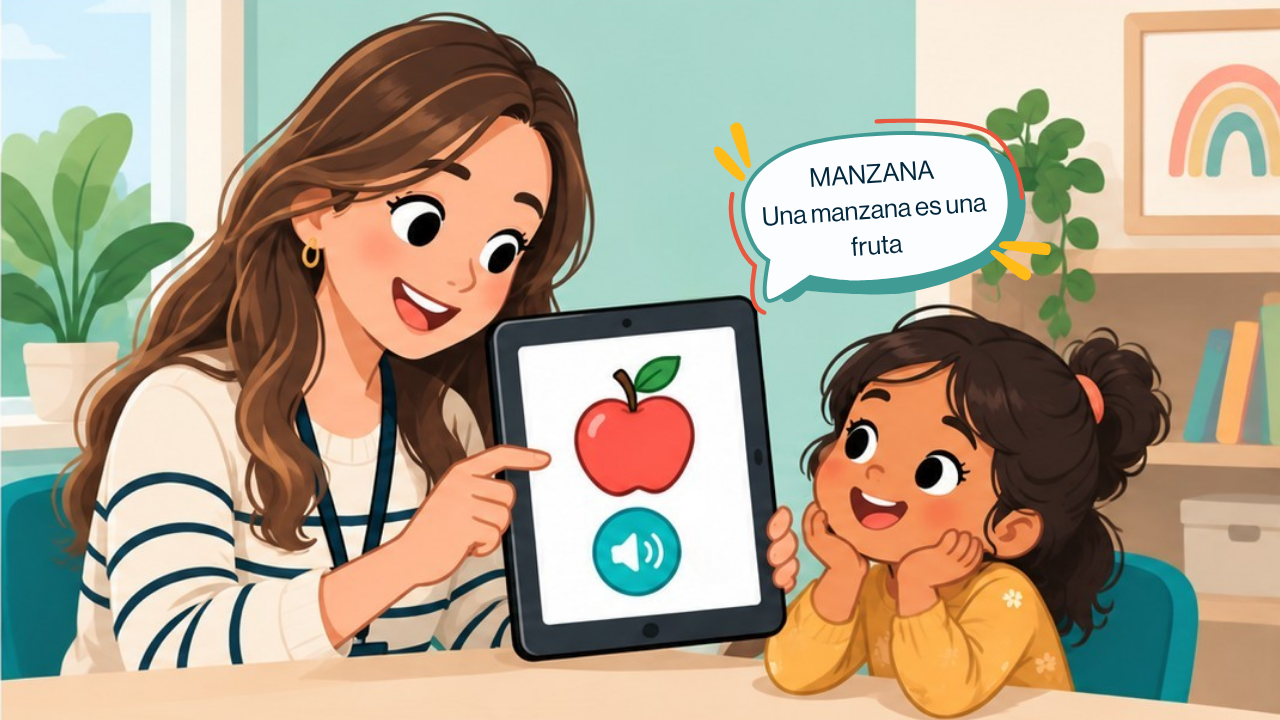
Could Technology Help SLPs Support Bilingual Children?
What happens when a monolingual clinician uses technology to incorporate Spanish into vocabulary intervention? A 2019 study explored whether Spanish audio prompting could support bilingual preschoolers’ vocabulary learning and found gains in both Spanish and English. Here’s what the study can teach us about supporting bilingual children and the possibilities of technology in clinical practice.
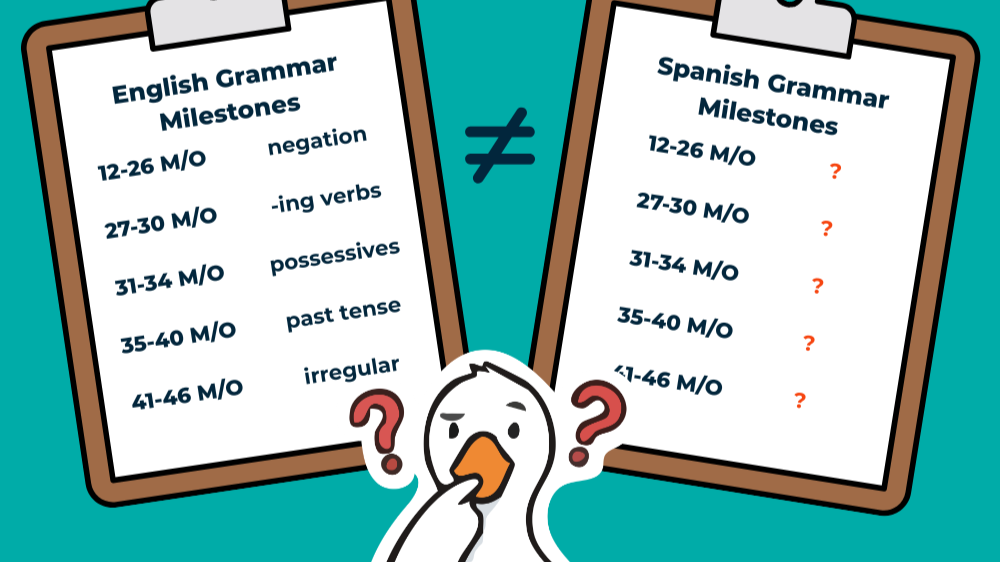
Why Can't I Find Spanish Grammar Norms?
"Do you know of a developmental chart with specific milestones for Spanish grammar and morphemes?"
A recent question we got from a fellow SLPs - and we didn’t have an easy answer. While many clinicians are looking for a Spanish equivalent to English grammar milestone charts, the reality is much more complicated. Differences in dialect, bilingual exposure, language dominance, and language loss make it difficult to create a single set of norms that applies to all Spanish-speaking children. In this post, we'll talk about why Spanish grammar norms are so hard to find and what tools bilingual SLPs can use instead.
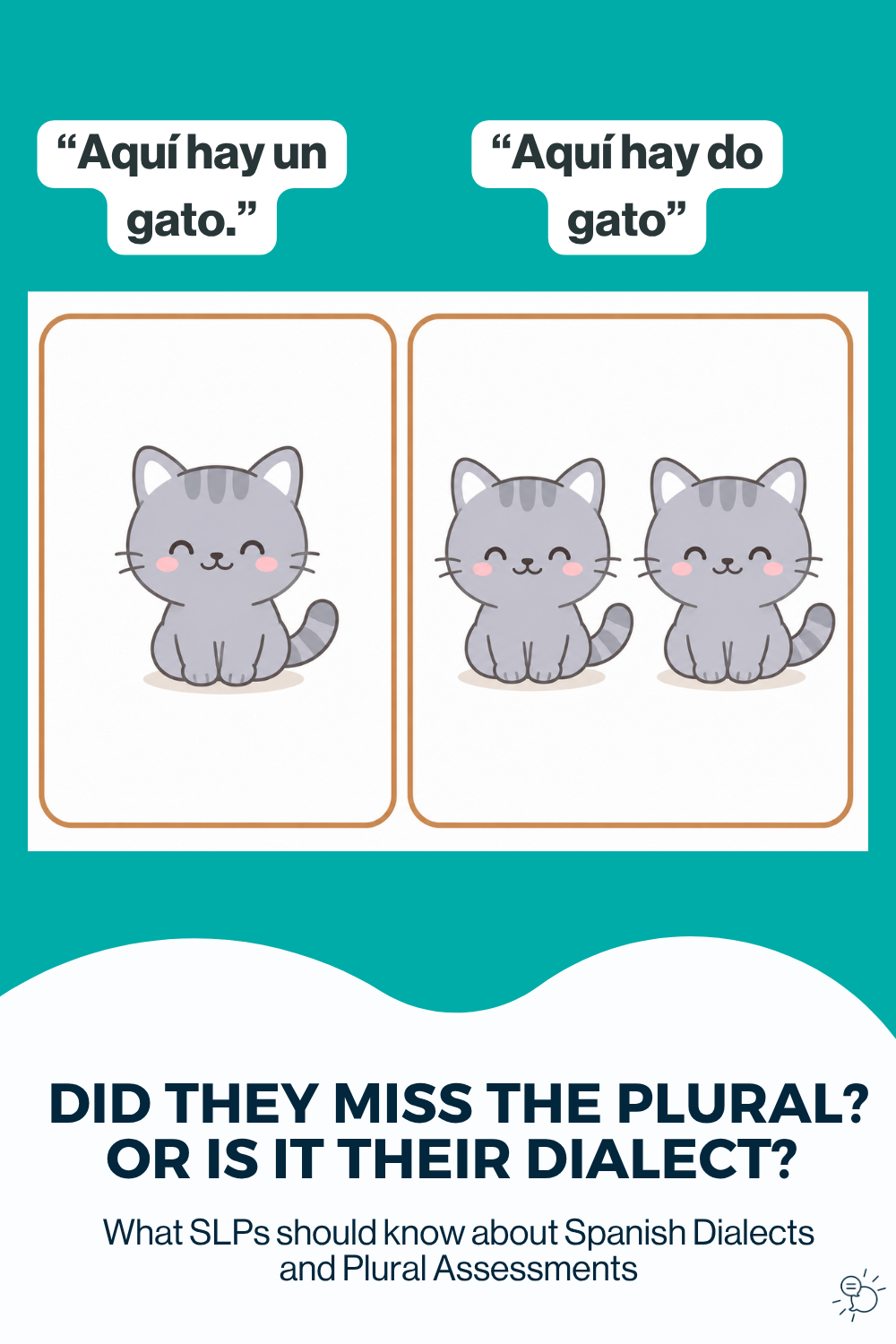
When Plurals “Disappear”: Understanding /S/-Lenition in Spanish
Some Spanish-speaking children may omit the final plural -s even when they fully understand plurality. In many dialects of Spanish, syllable-final /s/ is variably weakened or omitted, which can significantly impact plural production and assessment performance. This post explores how dialectal variation affects Spanish plural acquisition and what SLPs should consider when distinguishing language difference from disorder.
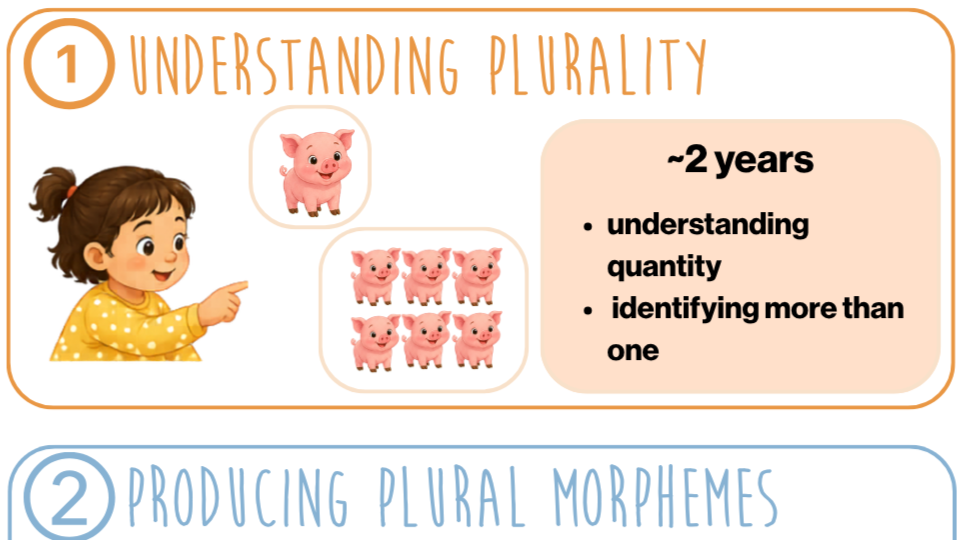
When Do Spanish-Speaking Children Learn Plurals?
Spanish-speaking children do not learn plurals all at once. First, they develop the concept of “more than one,” then they begin producing plural markers, and finally they learn how plural agreement works across entire phrases and sentences. In this post, we explore the stages of Spanish plural acquisition, expected developmental timelines, and what SLPs should know when assessing and supporting plural development in Spanish-speaking children.
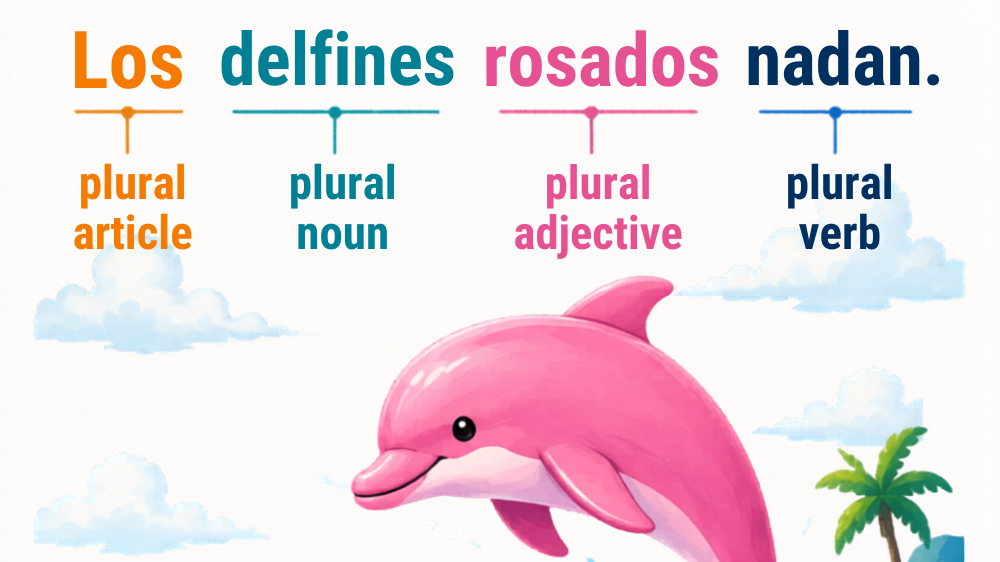
Understanding Plural Marking in Spanish: What Makes It Different From English?
Spanish plural morphology is both simpler and more complex than English depending on what aspect you examine. While the phonological system makes plural production easier in many cases, Spanish also distributes plural information across multiple words in a sentence. Understanding these differences is important for clinicians assessing bilingual and Spanish-speaking children.

The Conversations That Shape Us: How Responsive Interaction Supports Language Development
Research shows that responsive, back-and-forth interaction plays an important role in children’s language development. Explore how everyday conversations, storytelling, routines, and caregiver connection support communication growth in bilingual homes.
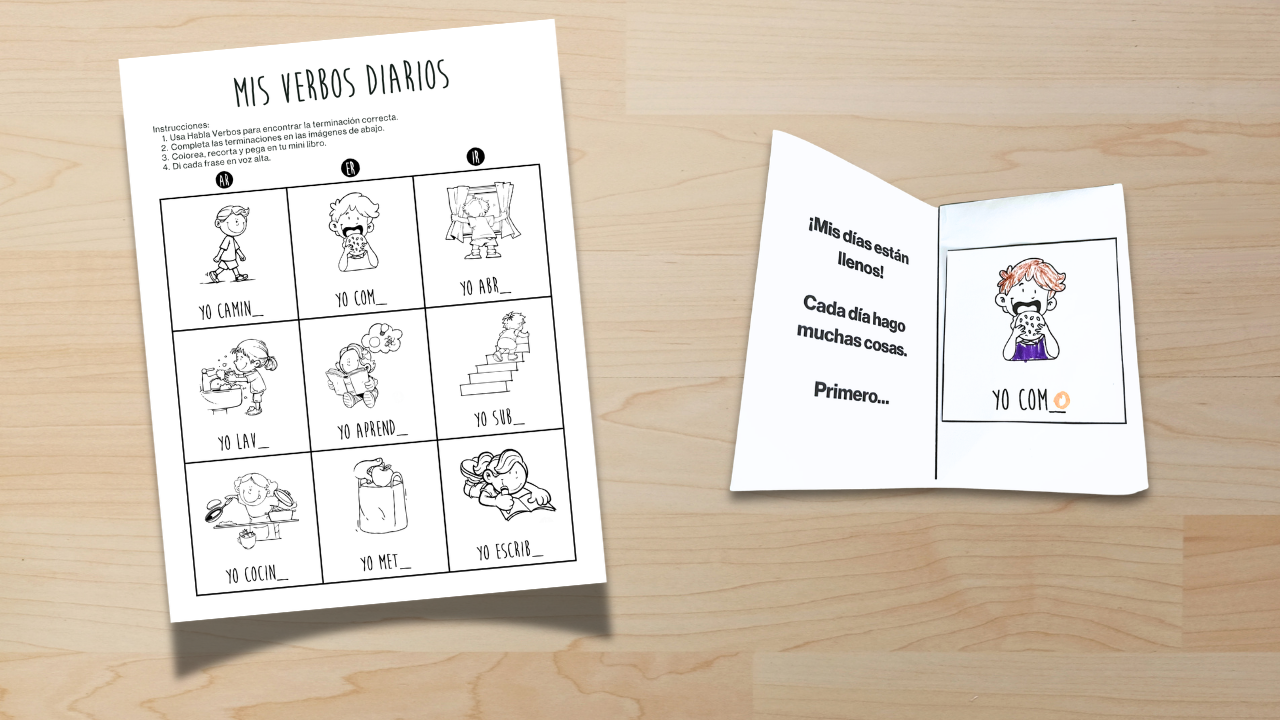
Spanish Verb Activity for Speech Therapy + Free Worksheet
If you’re looking for a simple Spanish verb activity for speech therapy, this is one I’ve been loving lately. It’s hands-on, easy to prep, and perfect for targeting verbs, phrase building, and home carryover with bilingual students.

TSHA Convention Tips: How to Make the Most of Your Time in Fort Worth
Attending TXSHA (TSHA Annual Convention) in Fort Worth? Here are practical convention survival tips, local food recommendations, and travel advice to help SLPs maximize their TSHA conference experience.