As Mother’s Day approaches, many of us find ourselves reflecting on the people who first shaped the way we communicate, connect, and understand the world around us.
Language develops through everyday interactions and responsive conversations with caregivers and their children.
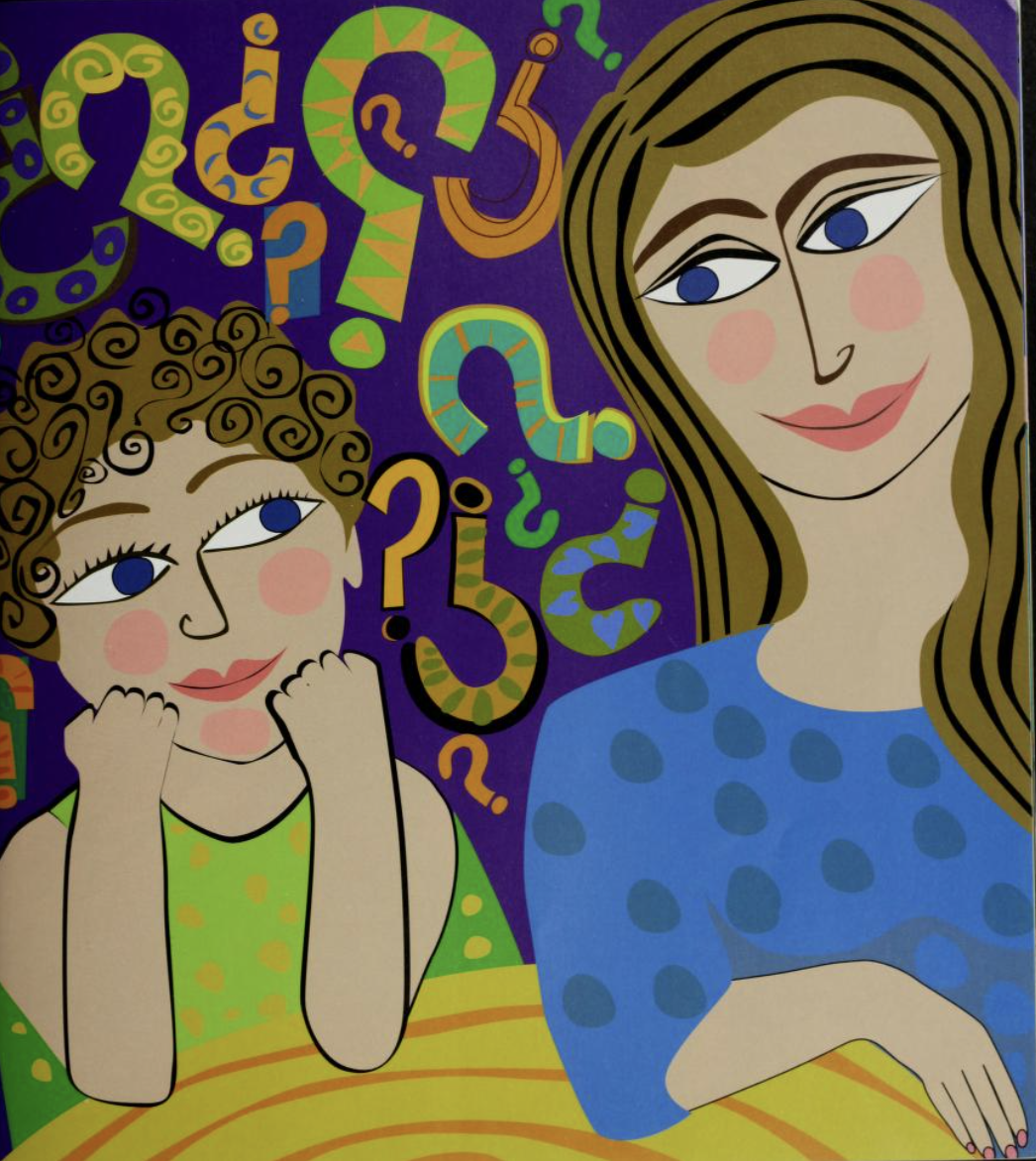
Illustration by Paula Barragán
Recently, we read Love to Mamá: A Tribute to Mothers, edited by Pat Mora, and one poem, Growing Up, in particular stayed with us. Throughout the poem, a daughter asks her mother what would happen if she grew up to become different things — a doctor, an architect, a chef. Each time, her mother responds with reassurance, wisdom, and the reminder that her work would touch and care for others.
The poem ends with the line:
“Mami, what if I want to be like you someday?”
That question captures the deep influence caregivers have on how children come to understand care, connection, identity, and the ways they hope to move through the world. We’ve linked the library version of this book if you’d like to read the poem in full!
What Does Research Say About Responsive Interaction?
Research continues to show that responsive, back-and-forth interaction plays an important role in children’s language development.
In a longitudinal study of Spanish-speaking mother–child interactions, researchers examined how mothers and young children interacted during play and conversation over time. The study found that children’s opportunities to participate in conversations and engage in conversational turn-taking were linked to later language development.
One especially meaningful finding was that as children became more active communicators, mothers naturally adjusted interactions to create more space for their children’s participation.
This matters because language development is not only shaped by the number of words children hear. It is also supported by responsive interaction:
pausing for children to respond
engaging in conversational turn-taking
asking and answering questions
storytelling together
following a child’s interests during play
repeating and expanding on a child’s words
For bilingual families, these moments often happen naturally across languages, routines, and cultural traditions.
Language Development Happens in Everyday Moments
Parents and caregivers sometimes wonder whether they need special materials, flashcards, or structured activities to support language development at home.
While intentional activities can certainly help, research consistently reminds us that some of the most meaningful language-learning opportunities happen during everyday interaction.
These moments might include:
talking while cooking together
telling family stories
asking questions during play
singing songs
responding to children’s curiosity
sharing meals together
comforting children during difficult moments
laughing together
Language learning is deeply connected to emotional connection and participation.
Supporting Language Development in Bilingual Homes
For bilingual and multilingual families, responsive interaction in the home language is especially valuable.
Children benefit when caregivers communicate in the language that feels most natural, comfortable, and emotionally connected to them. Rich interactions in any language help support communication development, relationship-building, and cultural connection.
For bilingual SLPs and professionals, this research also reinforces the importance of family-centered and culturally responsive care. Supporting caregivers does not mean asking families to change who they are or how they connect with their children. Instead, it means recognizing the value already present in family interaction, storytelling, warmth, responsiveness, and conversation.
What Does Responsive Interaction Look Like?
Responsive interaction does not need to feel complicated. It often looks like:
noticing what a child is interested in
responding to attempts to communicate
pausing to allow participation
expanding on what children say
engaging in back-and-forth conversation
creating opportunities for children to take conversational turns
These small moments build communication over time.
Final Thoughts
For many of us, our earliest experiences with language are connected to mothers and caregivers:
through stories,
through caregiving,
through cultural traditions,
through food,
through comfort,
through conversation,
through love.
This Mother’s Day, we’re reflecting on the many ways caregivers help children grow into communicators — not only through the words they say, but through the relationships they build every day.